Halloween, October 31st, the night of witches, one of the most famous popular festivals, has its origins in the syncretism of the Celtic end-of-summer feast known as Samhain and the Christian celebration of All Saints' Day. Brought to the United States by Irish immigrants in the 19th century, it did not become a mass celebration until 1921. If you want to learn more about this tradition, you can search here:
Halloween is known the world over as a festival of terror featuring costumes, jack-o'-lanterns and the familiar "trick or treat." All of this is discussed at length in the media, but the truth is that there are other customs associated with this day that are far less well known, at least in our country. Here are a few you can try with friends and family.
.1.
Go to church at midnight
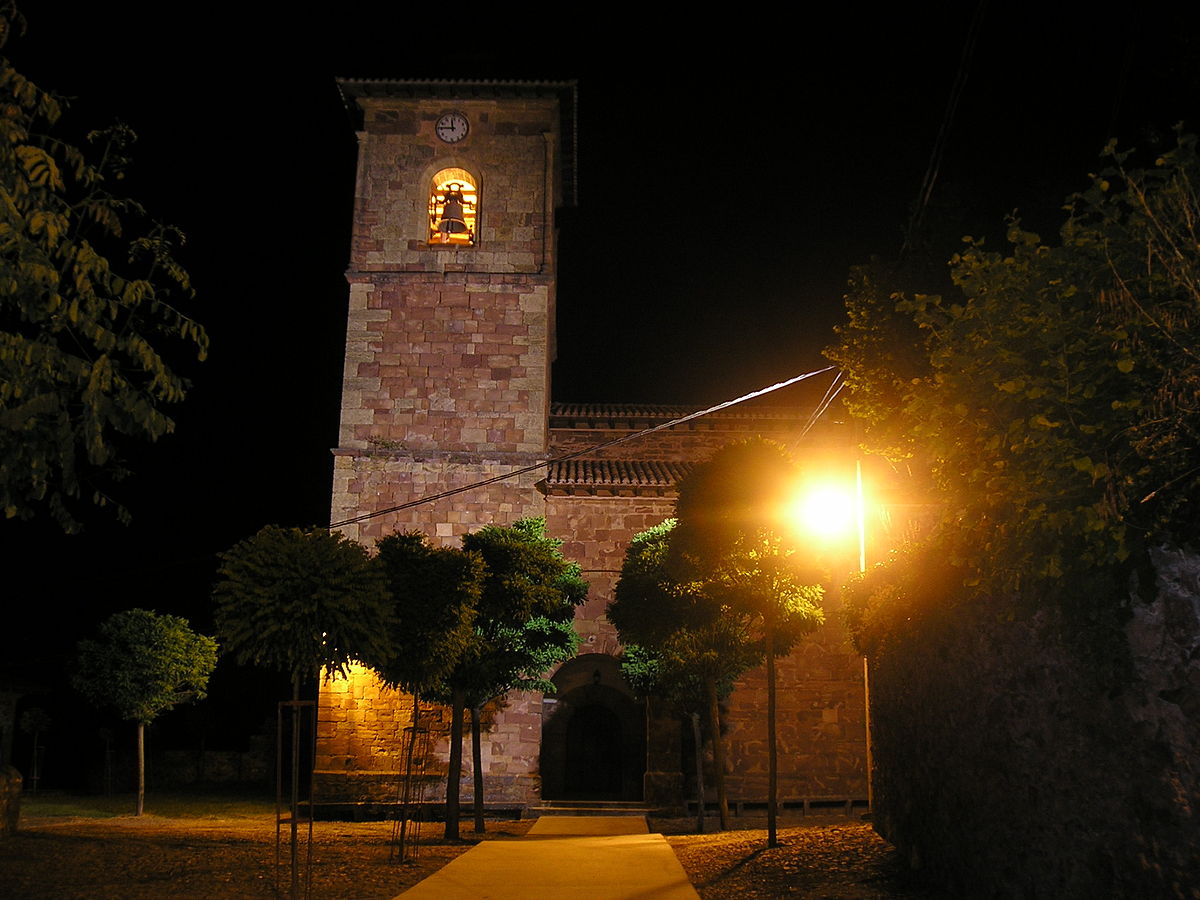
Go to church at midnight and spend the night there. The brave observer will see the spirits of those who are going to die in the coming year, but runs the risk of finding themselves among them.
.2.
See your future partner in the mirror
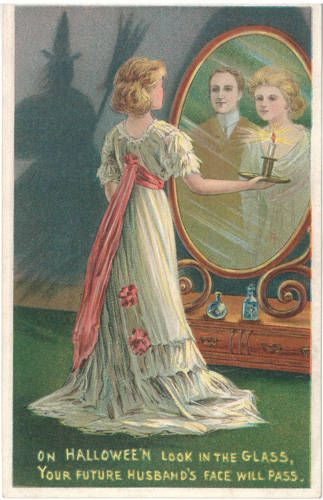
Girls who look into a mirror on this night will see the image of the man they will marry, but they also risk seeing the Devil.
One version says you must slip away to a room at midnight on Halloween and cut an apple into nine slices. You must eat the apple slices in front of a mirror, holding each one on the tip of a knife. As you do so, you will supposedly see the image of your true love over your left shoulder, asking for the last slice of apple.
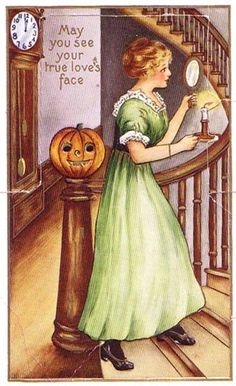
Another version says you must eat the apple while holding a candle and looking into the mirror, and yet another says you must comb your hair while eating and gazing into the mirror in order to see your future spouse over your shoulder.
The most precarious version says that at midnight you must walk backwards down the stairs while holding up a mirror, so as to see your other half reflected in it.
.3.
A special meal
Leave food outside the house and set a place at the table for the dead. This kind of tradition is rooted in the belief that on this day the spirits of the dead return to the world of the living. Some are welcome, and for them the doors and windows of the house are thrown open; others are unwanted, and for them the food is left outside.
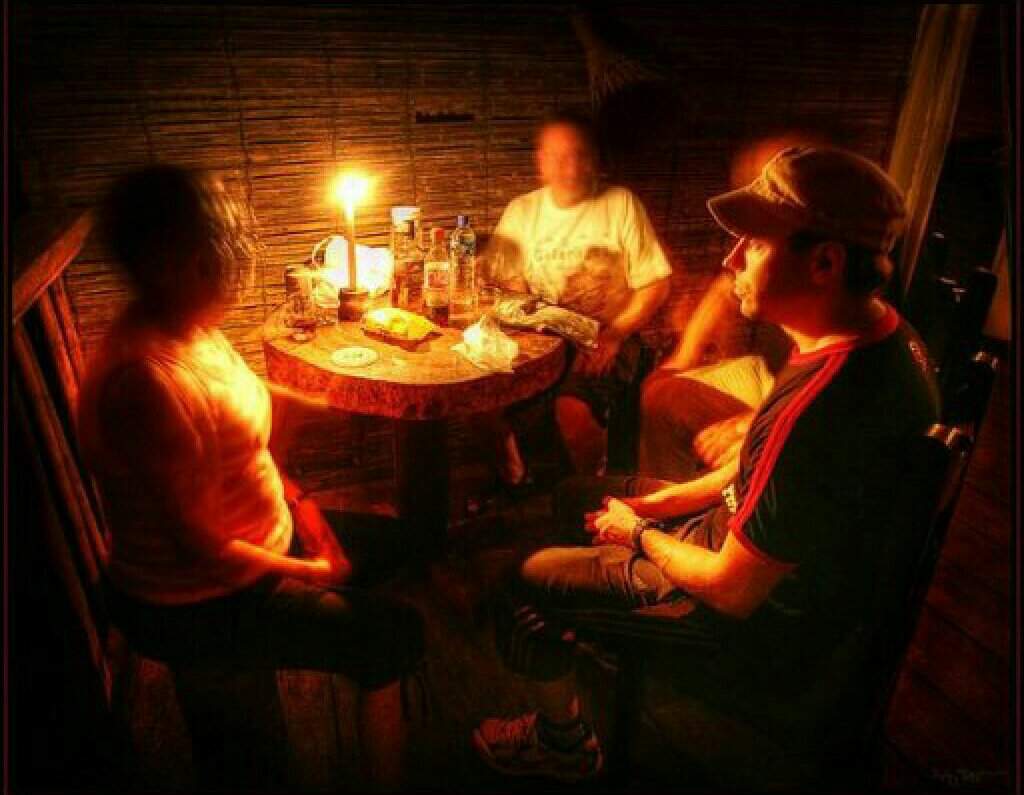
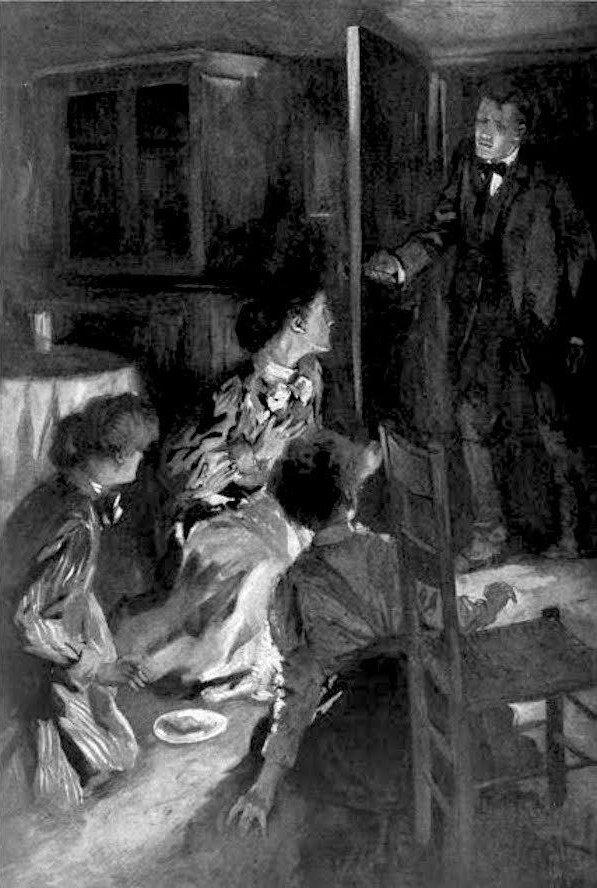
From this tradition of honouring the dead with food there probably derives the famous "Dumb Supper." Today it is very popular among Wiccan practitioners during Samhain, but in earlier centuries it was part of the romantic rituals of young women who dreamed of becoming someone's wife. During the 19th century in the British Isles and the United States, young women (and sometimes young men), whose prospects depended heavily on making a good match, performed all manner of "spells" to catch a glimpse of their future. The Dumb Supper was one of the most popular in the literature of the time: it involved organising a dinner in some discreet place, close to midnight, in which everything was done backwards — the cutlery was placed on the wrong sides of the plate, the meal began with dessert and ended with the starter, and so on — the more out of the ordinary, the better. The golden rule was to do everything in absolute silence from beginning to end. Some unmarried participants also baked cakes in silence beforehand. At some point during the supper, the spirits of future spouses were supposed to enter, or else appear in person in the room. However, some accounts also speak of dire visions foretelling lifelong singlehood or the death of one of those present. Moreover, this sort of practice lent itself to all kinds of pranks. The custom died out in the 1950s, when women began to gain greater control over their own destinies and children took centre stage at Halloween. Today, Wiccan witches are the only ones who still hold Dumb Suppers to honour the dead.
.4.
Other ways to predict your luck in love
Pulling cabbages:
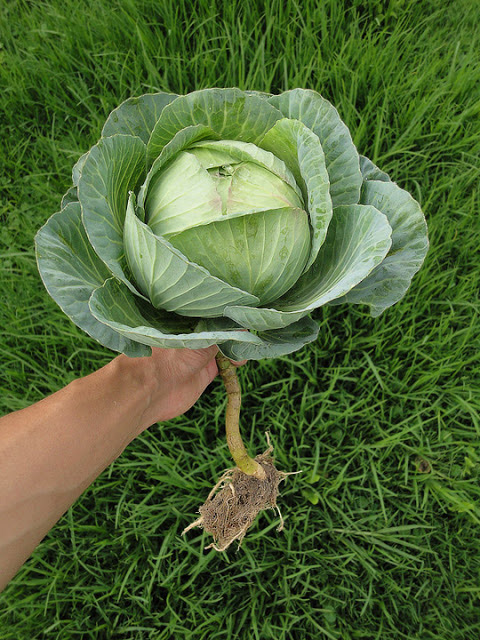
If you have some cabbage or kale growing nearby, you can try the Scottish tradition of pulling it from the ground. You must go to the field and select your plant blindfolded. The shape of the root (thin or thick) indicates the appearance, and the taste indicates the disposition, of your future partner. The amount of soil clinging to the roots is said to indicate how much wealth your future spouse will have.
The three bowls:
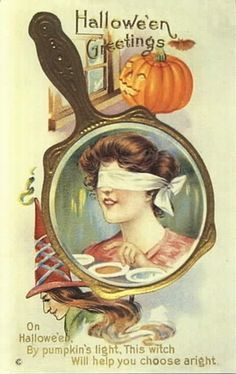
Place three bowls in a row. Fill one with clean water and another with dirty water. Leave the third one empty. Arrange them in a random order, then lead someone (usually a man) blindfolded towards them to dip his left hand into one of the three. If he puts his hand in the clean water, he will have a young spouse. If he puts his hand in the dirty water, he will end up with an elderly widow or widower. If he puts his hand in the empty bowl, he will remain a bachelor forever. This process must be carried out three times, with the bowls rearranged each time.
The other end of the thread:
Throw a ball of yarn out of the window (or into a pot of water on the stove, depending on the version) and hold on to the other end. As you wind the thread back in, repeat: "I wind, who holds?" over and over. Before you reach the end of the thread, the face of your love will appear at the window and/or their name will be whispered in your ear.
.5.
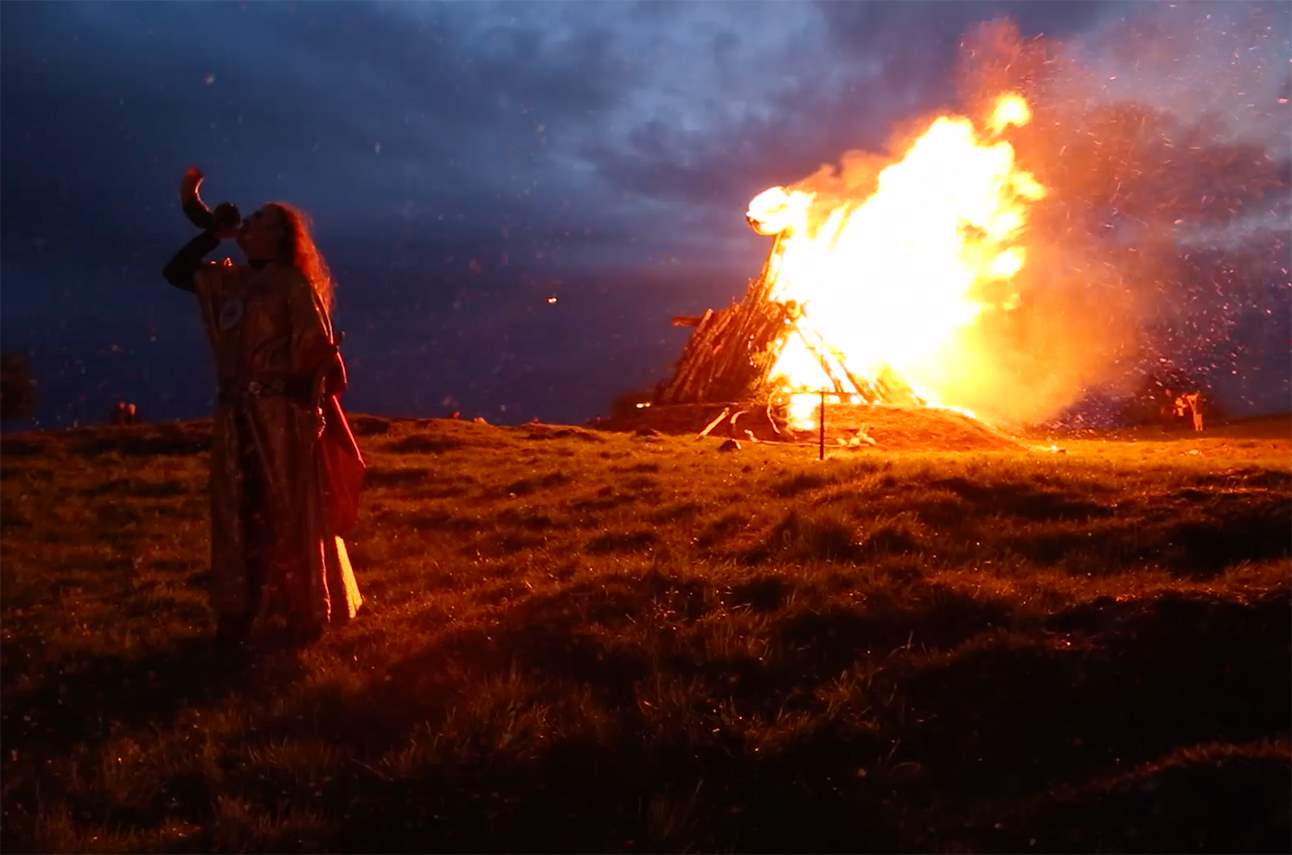
Light a bonfire
Light a bonfire and cast into it offerings that symbolise the hopes or afflictions of those who wish to see them fulfilled or healed. Samhain is one of the fire festivals, with fire considered purifying and of great importance in the winter that lies ahead.
.6.
Stones among the ashes
In Wales it was customary, as the bonfire was about to die down, for each person to throw a previously marked white stone into the ashes. The following morning everyone would come back to look for their stone, and if anyone could not find theirs, it meant they would die before the year was out.

.7.
Apple bobbing
The original Celtic Samhain came into contact with Roman traditions such as the festival of Pomona, goddess of the harvest, and Halloween coincides with the apple harvest every year, so the fruit holds a special place on this date. A rather ancient custom is the game of filling a deep container with water and apples that float on the surface. Several people try to bite one of the fruits with their hands tied behind their backs. The first to succeed will be the first to marry. Afterwards the apple is usually peeled, and whoever manages to produce the longest unbroken strip of peel will be the longest-lived of the group.
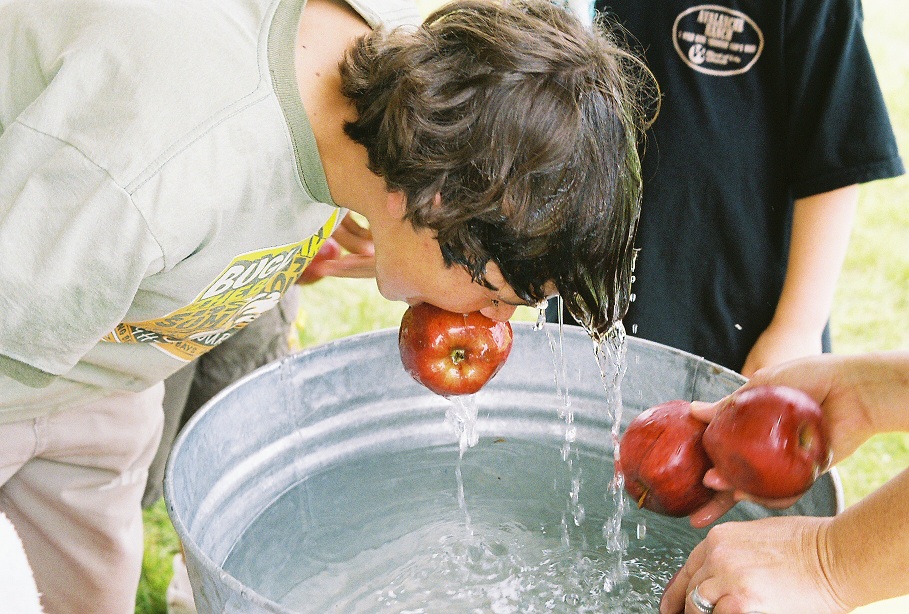
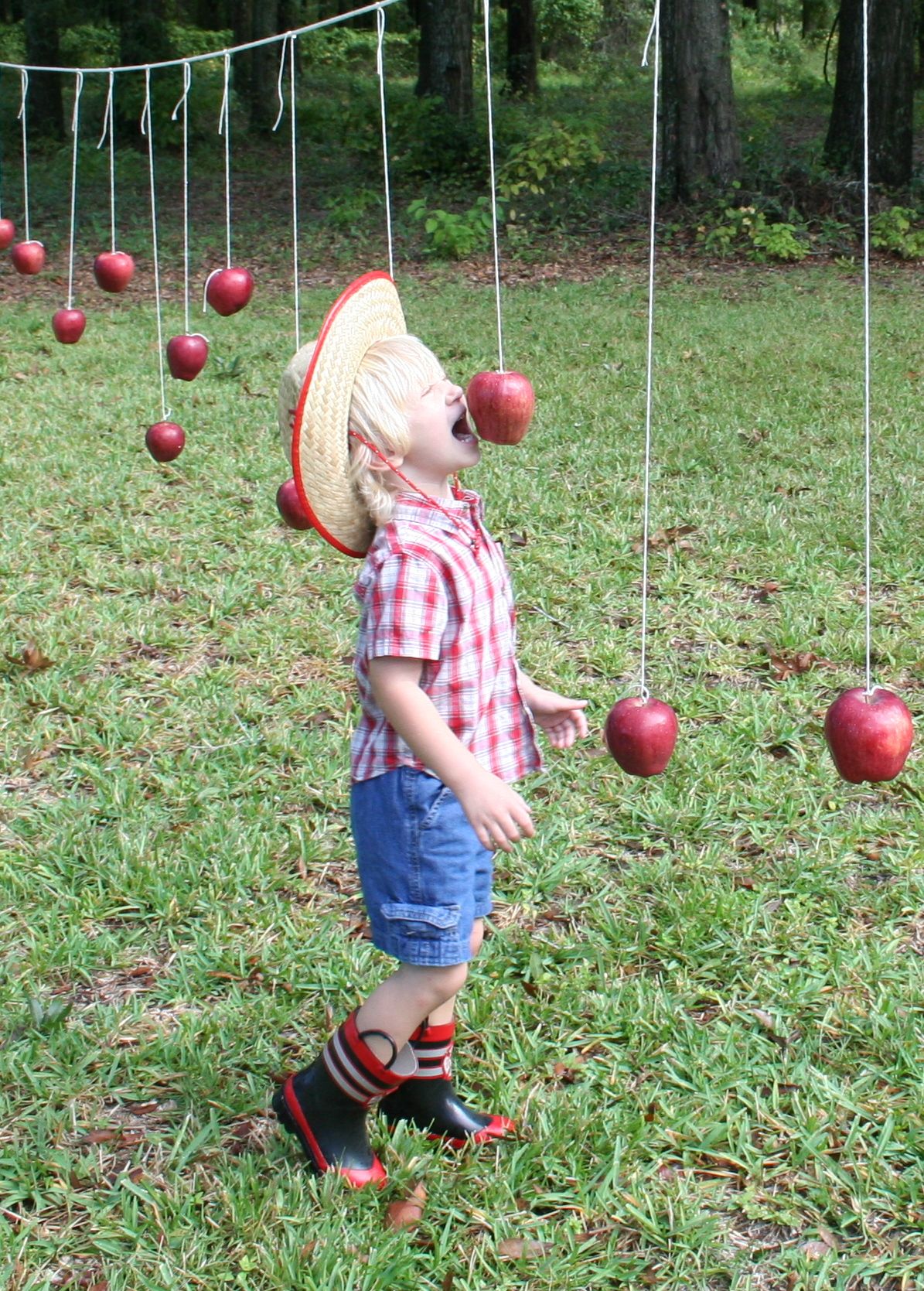
An alternative version, if you would rather not get wet, is to hang the apples instead.
You can also peel the apple without breaking the skin, so as to produce as long a strip as possible. Swing it around your head three times and then drop it over your left shoulder. The shape the peel makes on the ground will be the initial of your future husband's or wife's name.
.8.
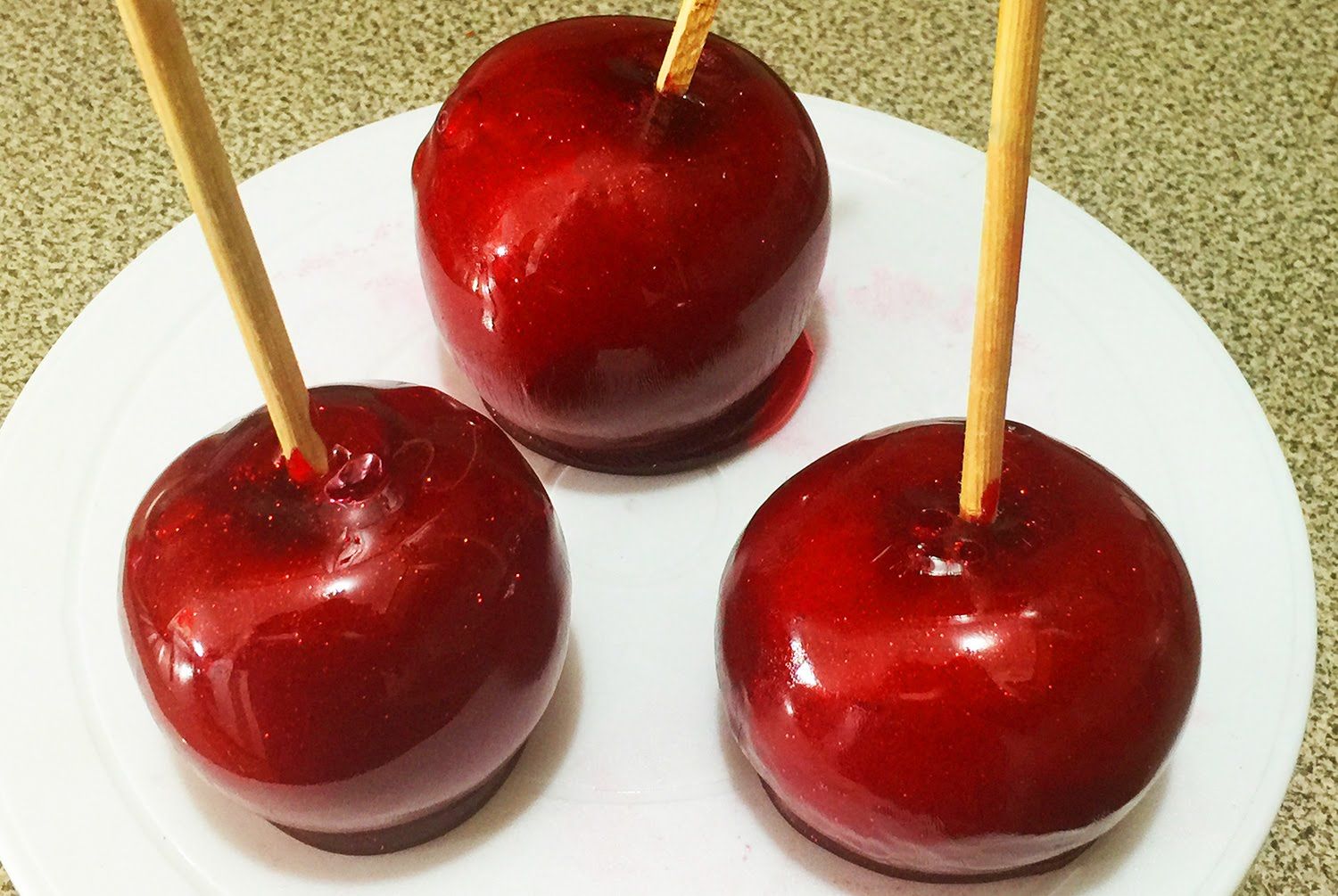
Toffee apple
Eating toffee apples was a widespread custom in the United States; the sweet treat was commonly given to children, but the practice faded with rumours that some individuals were embedding objects such as nails and razor blades inside the fruit.
.9.
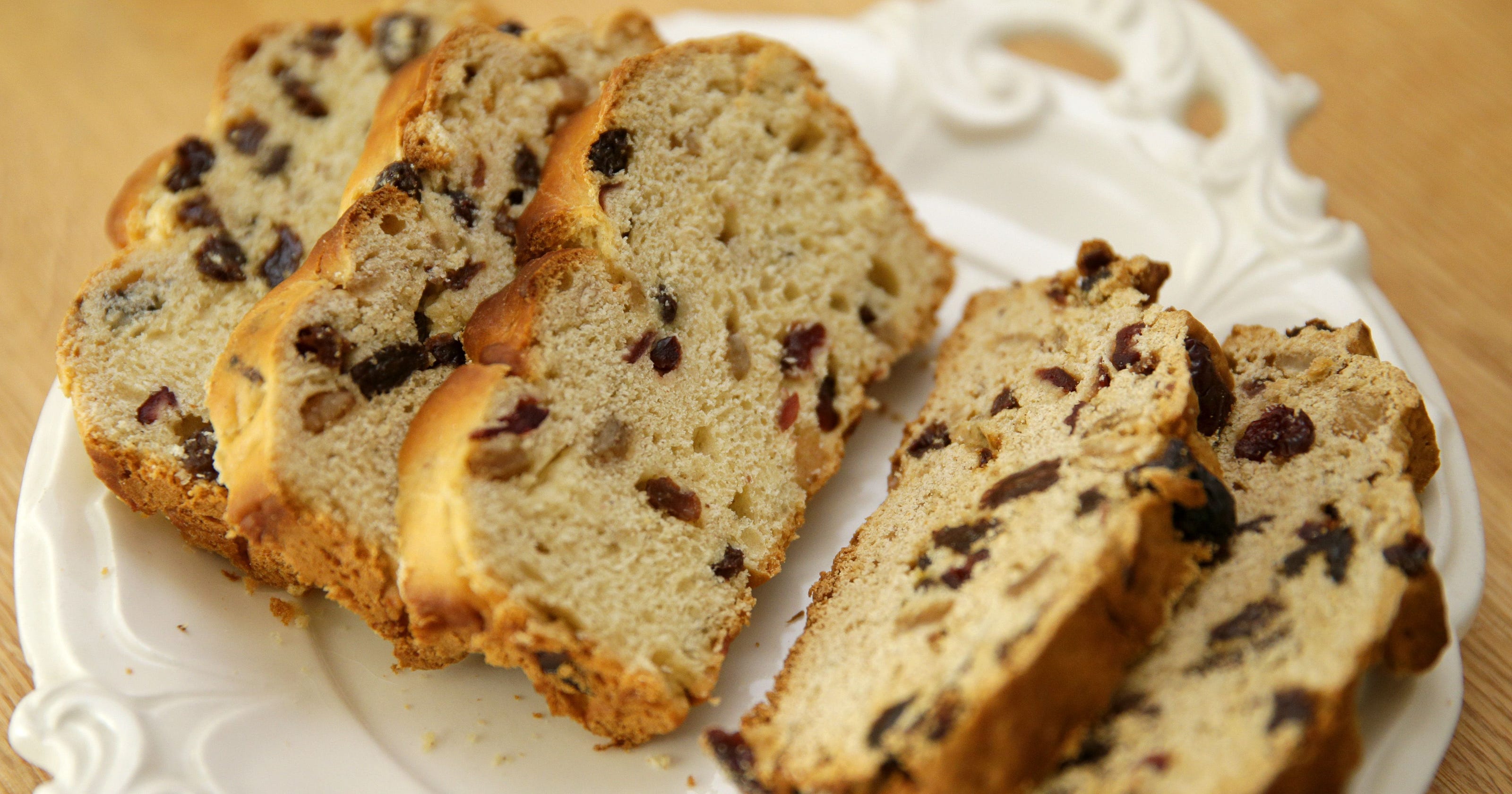
Barm Brack
Barm Brack is the centrepiece of an Irish Halloween tradition. It is a raisin bread sold in individual loaves and often eaten toasted with butter alongside a cup of tea. In times past it was baked with several objects hidden inside the dough: a pea, a small stick, a piece of cloth, a small coin (originally silver) and a ring. Each object carried a meaning for the person who received it in their slice: the pea meant they would not marry that year; the stick that they would have an unhappy marriage; the cloth that they would have bad luck or be poor; the coin that they would have good luck or be rich; and the ring that they would marry that year. Industrially produced Barm Bracks for Halloween still include a toy ring.
.10.
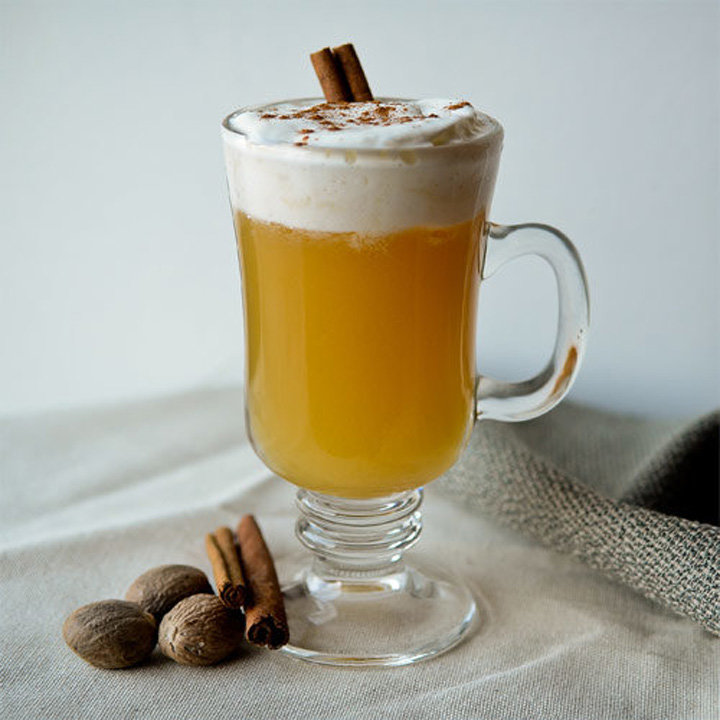
Lamb's Wool
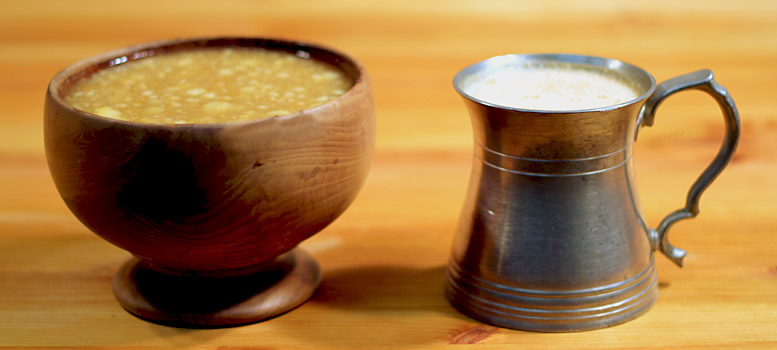
Prepare Lamb's Wool, or Wassail. It is a traditional drink, very popular in Elizabethan England, which some consider to be of Celtic and pagan origin, linked to the Irish Gaelic La Mas Nbhal, or the Feast of the Apple, a ceremony to protect apple trees from evil spirits and ensure that the coming harvests would be good. It is also known as Wassail, from the Old English wæshæl, meaning 'be well' or 'be whole'. During the ritual, thick slices of bread are toasted and placed in the bottom of vessels into which the Lamb's Wool is poured. The company goes out to the garden, field or orchard bearing lit torches and pots and pans to bang with sticks and spoons, making noise and singing traditional rhymes. The trunks of the trees are struck and splashed with the drink. After everyone present has taken a sip from the communal bowl, a little is poured out and the soaked toast is placed on the ground among the roots of a tree. Fresh toast is placed among the branches. The oldest recipes are medieval, so they would have used honey rather than sugar.
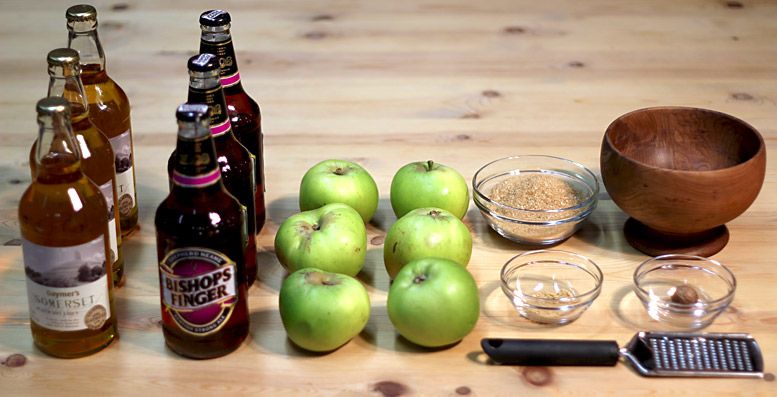
Ingredients:
- 1½ litres of ale or cider
- 6 apples
- 1 grated nutmeg
- 1 tablespoon of ground ginger
- Cloves and cinnamon
- Sugar
Instructions:
- Preheat the oven to 120°.
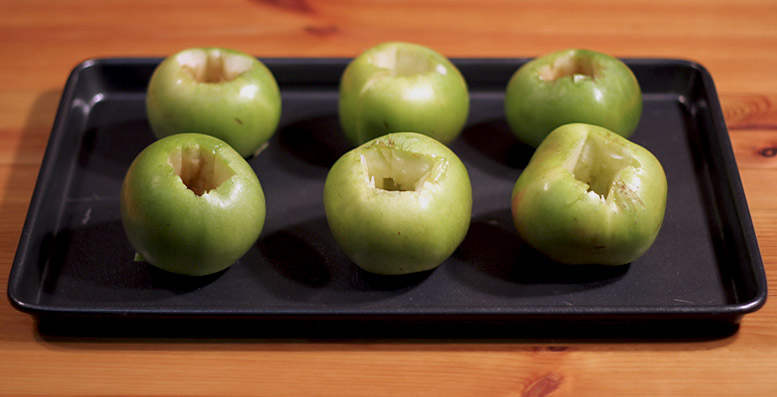
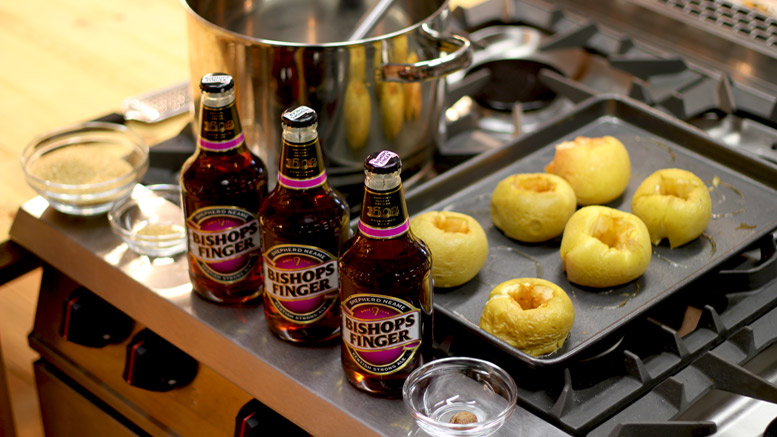
- Core the apples and bake them for 45 minutes.
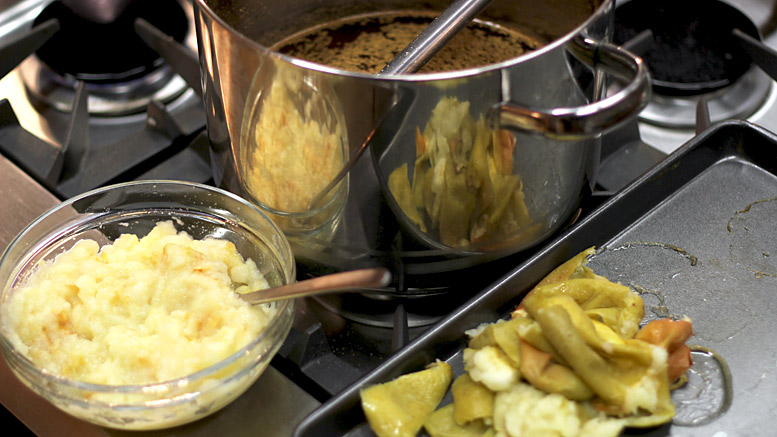
- Peel them and mash them with a fork (the name "Lamb's Wool" comes from the white, fluffy appearance of the baked apples).
- Heat the ale or cider with the spices.
- Beat together the purée, the ale and sugar to taste.
- Serve warm and enjoy.