Beyond the trend and the credulity of "magic seekers," paganism is real, and the renewed interest seen recently in many countries — above all the most Christianized and industrialized ones — in reviving or at least commemorating their past, is entirely genuine. It is a shame that language barriers and commercial standards so often prevent us from looking beyond northwestern Europe.
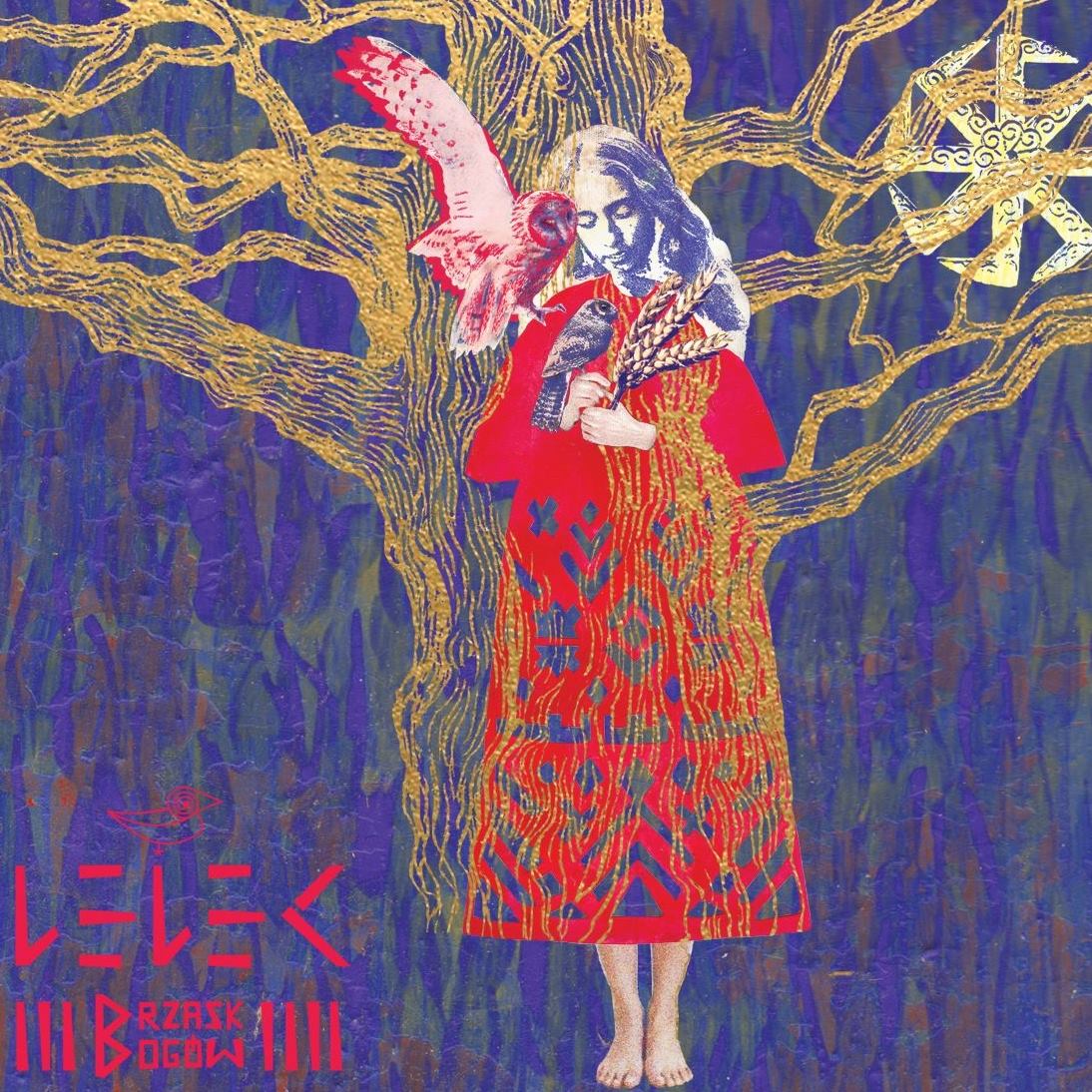
In the spring of 2016 there appeared in a market very, very far away, the sole album of the Polish musical project Lelek. The title was "Brzask Bogów," or "The Dawn of the Gods." Needless to say, no information about any of this exists in Spanish, so let us begin with the band.
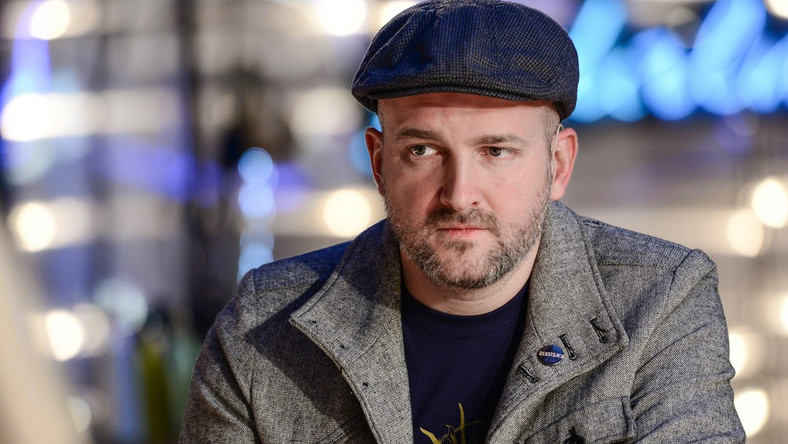
Lelek was founded in 2015 on the initiative of Maciej Szajkowski, known for his dedicated work of rescuing and promoting the folk music and ethnic heritage of his country through other prestigious musical projects such as Kapela ze Wsi Warszawa (Warsaw Village Band) and RUTA. What strikes me most about Szajkowski is that he has managed to sidestep the xenophobic and racist nationalism that afflicts so many of his compatriots, and together with other members of Lelek he works in support of the social campaign "Music Against Racism."
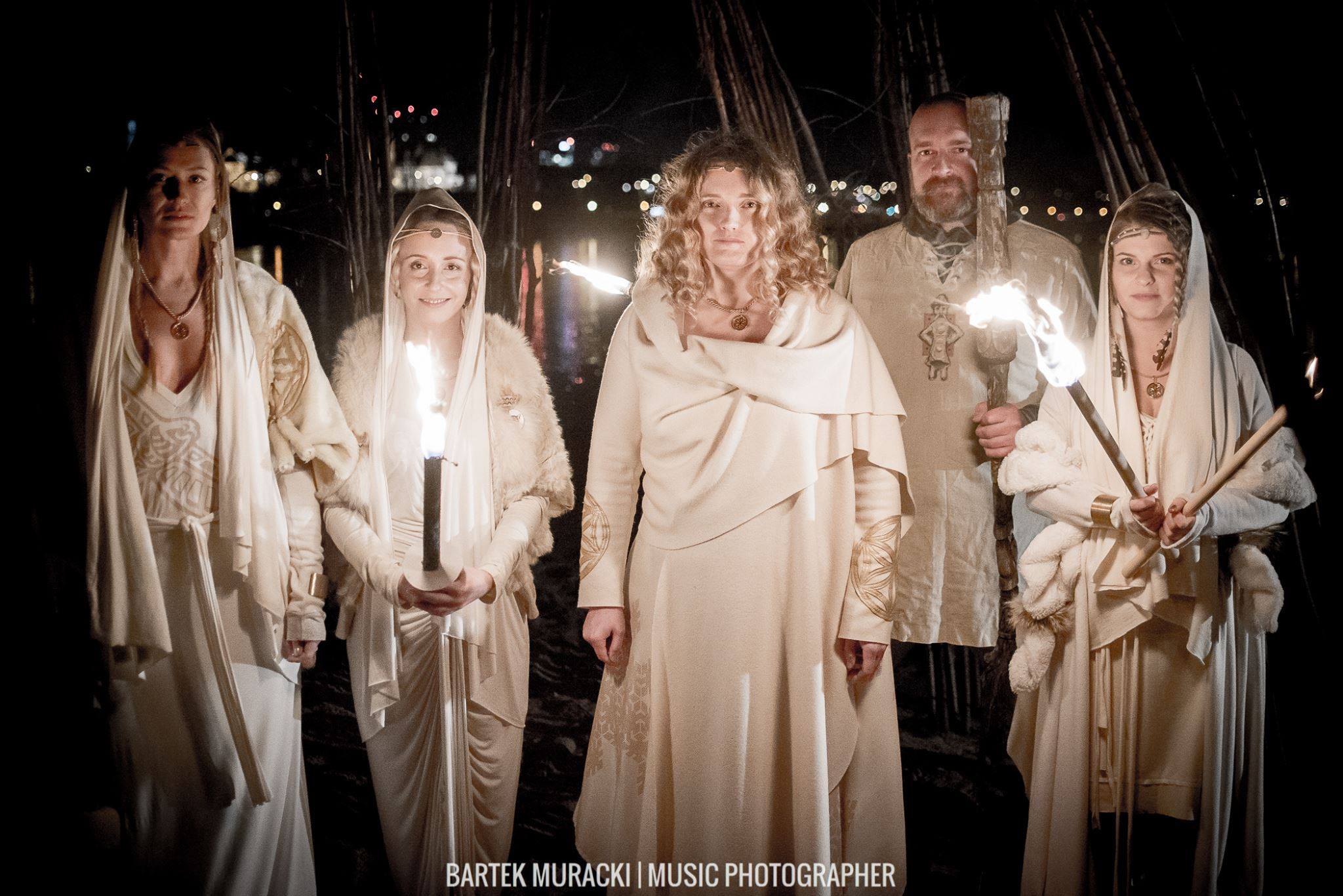
Despite making use of many traditional instruments and drawing on ancient Slavic paganism, Lelek makes no claim to reconstructing that music, nor does it boast of any purity in its execution. The band members come from a variety of musical backgrounds. Szajkowski's percussion is deeply rooted in Polish tradition, while Piotr Stefański's leans toward the Afro-industrial. Flautist Kamil Rogiński has an inclination toward Orientalism, and the style of keyboardist Patryk Kraśniewski is strongly reminiscent of jazz. The other members of the group are vocalists Michał Rudaś and Jakub Koźba, whose combination proves highly effective: Rudaś sings with greater sweetness and lightness, while Koźba's tarry, mystical voice is ideally suited to hymns and prayers. In addition, the album features many other collaborations from talented artists. The result was a collision of musical worlds that offers a completely new experience and yet remains, through it all, very Slavic.
The name Lelek refers to the Caprimulgus europaeus, or European nightjar, a small nocturnal bird that, like storks and other birds in Slavic folklore, was believed to be the souls of human beings who had left their bodies after death, flying to Wyraj, the otherworld — but also returning from there in spring, pursuing a woman in order to nest in her womb and be reborn as a human being. In this way the musical group represents a rebirth of Slavic traditions.
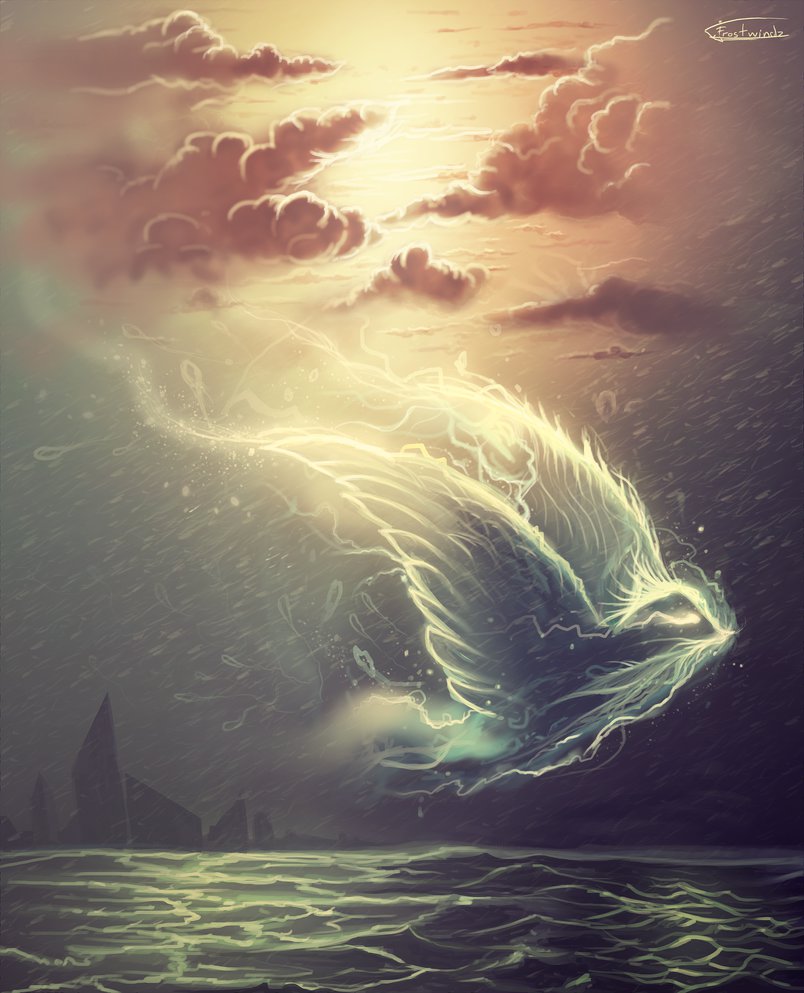
By Frostwindz on DeviantArt
For the album "Brzask Bogów," or "The Dawn of the Gods," Szajkowski sought out forgotten texts about the ancient gods by poets of the nineteenth and twentieth centuries, such as Ryszard Berwiński, Władysław Broniewski, Antoni Wacyk and Ryszard Danki, complemented by contemporary writers such as Tomasz "Georgigenes" Połoński and Jakub Zielina. The selection and combination of these texts reveal a certain continuity and permanence in the traditions and identity of the Polish people.
The album, released by the record label Karrot Kommando, included a 68-page booklet with essays on pre-Christian Slavic culture and religion, written by prestigious Polish scholars who served as advisors during the making of the record — among them Dr. Łukasz Maurycy Stanaszek, head of the Anthropology Laboratory at the State Archaeological Museum in Warsaw. The beautiful graphic design, the inclusion of a necklace bearing a metal kolovrat, and all the luxury packaging were intended to draw younger audiences toward the native culture of their country; nevertheless, the rarity and excellence of this production make it a jewel of intellectual craft rather than a commercial object.
For a Cuban, accustomed to a very different sonic landscape, hearing these rhythms is bound to feel unfamiliar. Even so, we encourage giving it a chance and letting yourself be carried away by the magic of a language as strange and beautiful as Polish. What is more, the songs on this album are far from a Slavic cliché, as they carry subtle Oriental tinges that soften the whole. Across its eleven tracks, the mythology reader will recognize names such as Svarog, Yarovit, Marzanna, Živa and Perun.
The album's first single was "Hymn do Żywy," or "Hymn to Živa," accompanied by a video filmed entirely in Warsaw — in the spaces of the Academy of Fine Arts, in offices and streets, and on the right bank of the Vistula river. The lead role was played by Sylwia Świątkowska, violinist and vocalist of the Warsaw Village Band, who also took part in the recording of the album.
Živa, Živena, Żiwia, Siva, Sieba or Razivia was a Slavic goddess of life depicted as a naked woman with hair down to her knees. She could also sometimes take the form of a cuckoo. Her name means "To live, to be, to exist." Her festivals were celebrated on the first of May. She was venerated across the territories that are now Poland, the Czech Republic, Slovakia and Germany — especially the Elbe valley — before Christianity spread through the region.
The following is an approximate translation of the lyrics based on Google Translate. Note that Rod is also mentioned. He is one of the principal deities of Slavic neo-paganism, which is named rodnovery after him. Rod is a deity associated with fate, family lineage and the cult of the ancestors, though his appearance alongside Živa does not imply they are a couple; in the song they are called Mother and Father in a general sense. It is worth noting that many of these Slavic gods — Rod, Živa and Lada among them — are poorly attested in historical sources, and many modern pagans have created new myths and meanings for them:
Hymn to Živa
Żywy does good
You are the mother of good
You are our mother
And our father is Rod
Żywy does good
Oh Żywy
You defend us from evil
Oh Żywy
Guard our Slavic line
If you want to learn more about Rod, you can look him up here:
The other video from the album corresponds to the song Perun, based on a poem by Władysław Broniewski. The video is a minimalist yet elegant animated drawing that succeeds in capturing the dark and somber atmosphere of the song. The main character is a humanized Perun in the style of American Gods. In Slavic mythology he is the god of thunder and lightning. His other attributes are the mountain, the oak, the eagle, the horse and the chariot; his weapons were a hammer, an axe or a bow. He was also the god of war and of fire. The Belarusian tradition describes him with black hair and a golden beard, crossing the sky in a blazing chariot or riding a millstone carried upon the backs of mountain spirits. Note that toward the end of the video, a lightning bolt traces one of the gromoviti znaci, or thunder marks — supposed symbols of Perun.
If you want to learn more about Perun, you can look him up here:
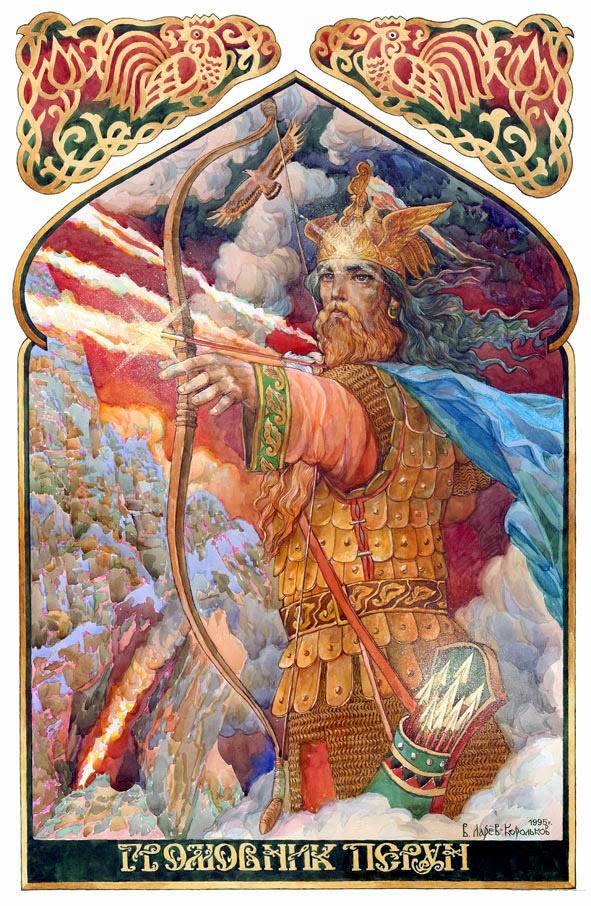
By Viktor Korolkov, (1954–2004)
What follows is a rather bold translation I made of Władysław Broniewski's original Polish poem, with the help of Google Translate. Generally, when I listen to songs of this kind, I let the atmosphere of the music suggest things to me and do not need to understand the lyrics at first; but I know this is a culture very distant from our own, and I genuinely want you to appreciate the video, so I am leaving you my version of the text as a guide.
Perun
The rumble of storms and trumpets
in the curling horns of the clouds.
The wind lifts the dead leaves,
in the forest, enraged and perilous.
The sky is a luminous blaze,
a heart beating somewhere up above.
Are you riding, Perun?
Are you whispering in the clouds?
Lightning strikes across the horizon,
a crossroads is drawing near.
Four winds, four young colts,
and thunder is your red whip.
Ride on! Give chase! Hold to the lead!
Who are you hunting through those rain clouds?
I will make your fire-spear my own.
I will tear the black night-coat from your neck.